How to Stop Losing High-Ticket Leads to Slow DM Replies

A £5,000 programme and a £15 product lose to a slow reply in the same way, but a high-ticket sale loses far more money each time it happens. When the average deal is worth thousands of pounds, the maths on a slow DM reply changes: it is no longer a minor inefficiency, it is a small number of specific, identifiable conversations that decided whether this month hit target or missed it. Losing high-ticket leads to slow replies is rarely one big obvious failure, it is usually a handful of small delays that each seemed reasonable at the time.
The maths is worth doing explicitly, because it rarely gets done. If a coach closes one in five qualified conversations at an average of £4,000, then a single lost lead is not an abstract inconvenience, it is a specific, calculable amount of missed revenue. Multiply that by however many high-ticket enquiries arrive in a slow window each month, and the cost of a delayed reply stops being a vague concern about professionalism and becomes a number worth actively protecting.
Why high-ticket buyers are more sensitive to delay, not less
It is tempting to assume a serious buyer considering a significant investment will wait patiently for the right answer. In practice the opposite tends to be true: high-ticket prospects are usually comparing several options, are used to being pursued rather than made to wait, and read a slow reply as a signal about the level of service they can expect if they actually buy. A delay that would be forgiven for a low-cost purchase quietly disqualifies you from a high-ticket one.
Where the delay actually happens
The message arrives outside working hours
A prospect messaging in the evening or at a weekend, when your usual reply time is next business day, has an entire night or weekend to talk themselves out of it, or to message someone else who does reply. Evenings and weekends are also, for many high-ticket audiences, exactly when they finally have quiet time to seriously consider a significant purchase, which makes this gap especially costly rather than a minor scheduling inconvenience.
The lead sits in a queue behind lower-intent messages
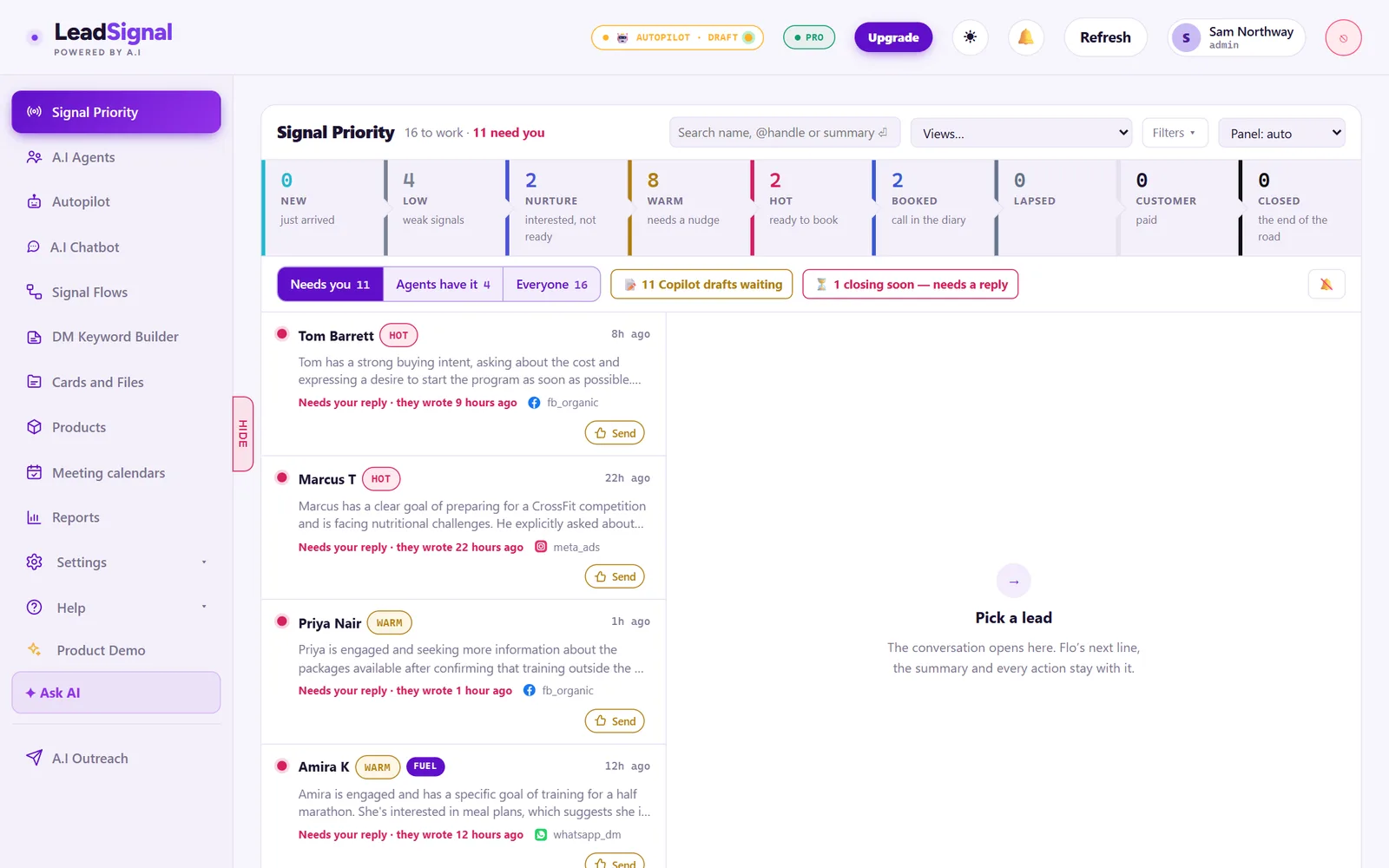
Without prioritisation by buying intent, a genuinely qualified high-ticket enquiry can sit behind a backlog of general comments and low-intent DMs, simply because nothing marks it as different.
The reply requires a specific person who is unavailable
If only one person can credibly answer a high-ticket enquiry, and that person is busy, in a call, or off for the day, the lead waits on a single point of failure rather than a system that can respond regardless.
The follow-up after the first reply drops off
The first reply is not the only moment that matters. A high-ticket sale usually needs several exchanges before a call is booked, and momentum lost at the second or third message is just as costly as a slow first reply.
The offer is significant enough that hesitation feels justified
A slow reply to a high-ticket enquiry sometimes goes unquestioned internally, because the size of the decision feels like it warrants a considered response rather than a quick one. This confuses the pace of your internal thinking with the pace the prospect needs to feel attended to. The considered part of a high-ticket sale is the conversation itself, not the gap before it starts.
Fixing this without hiring more people
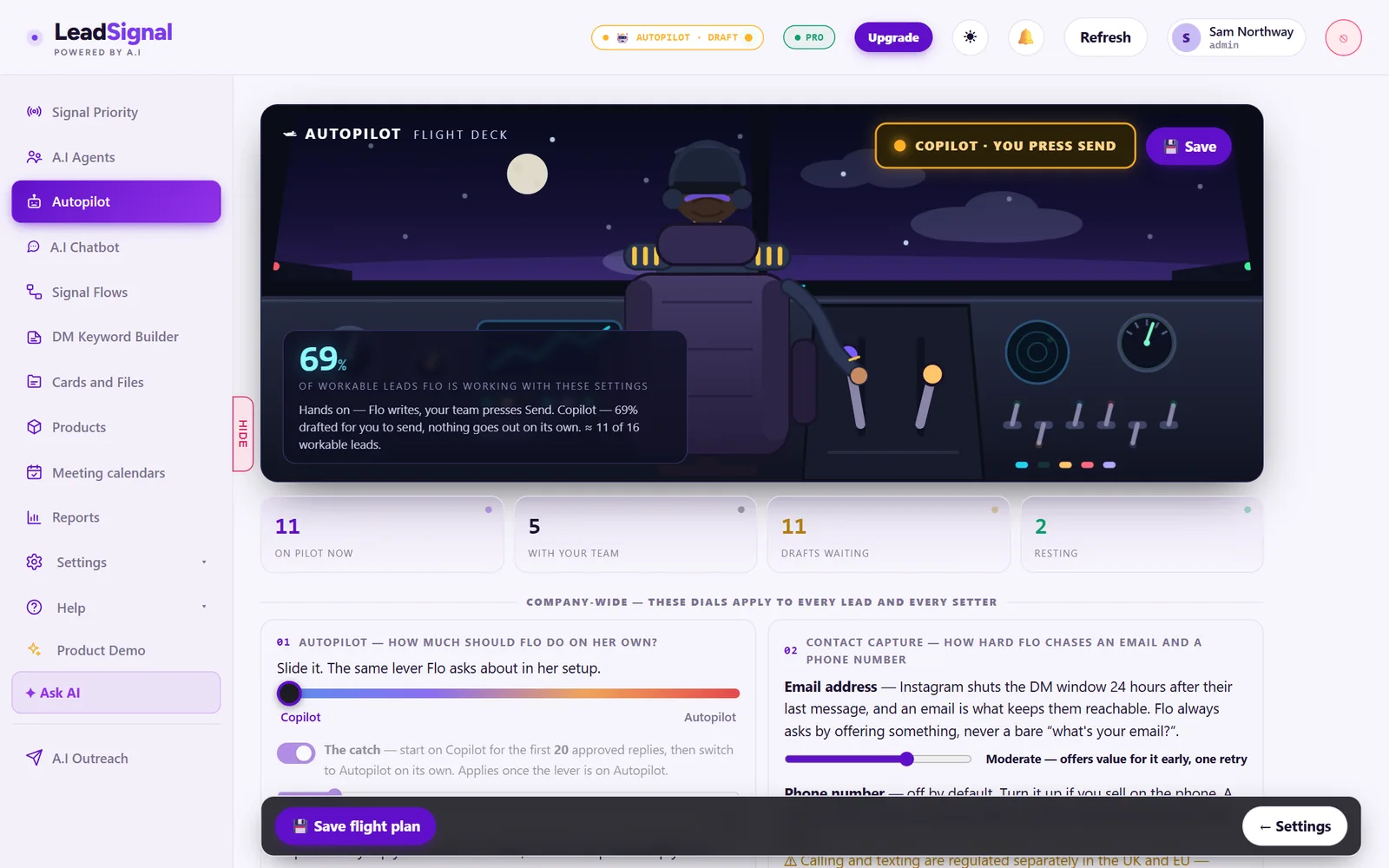
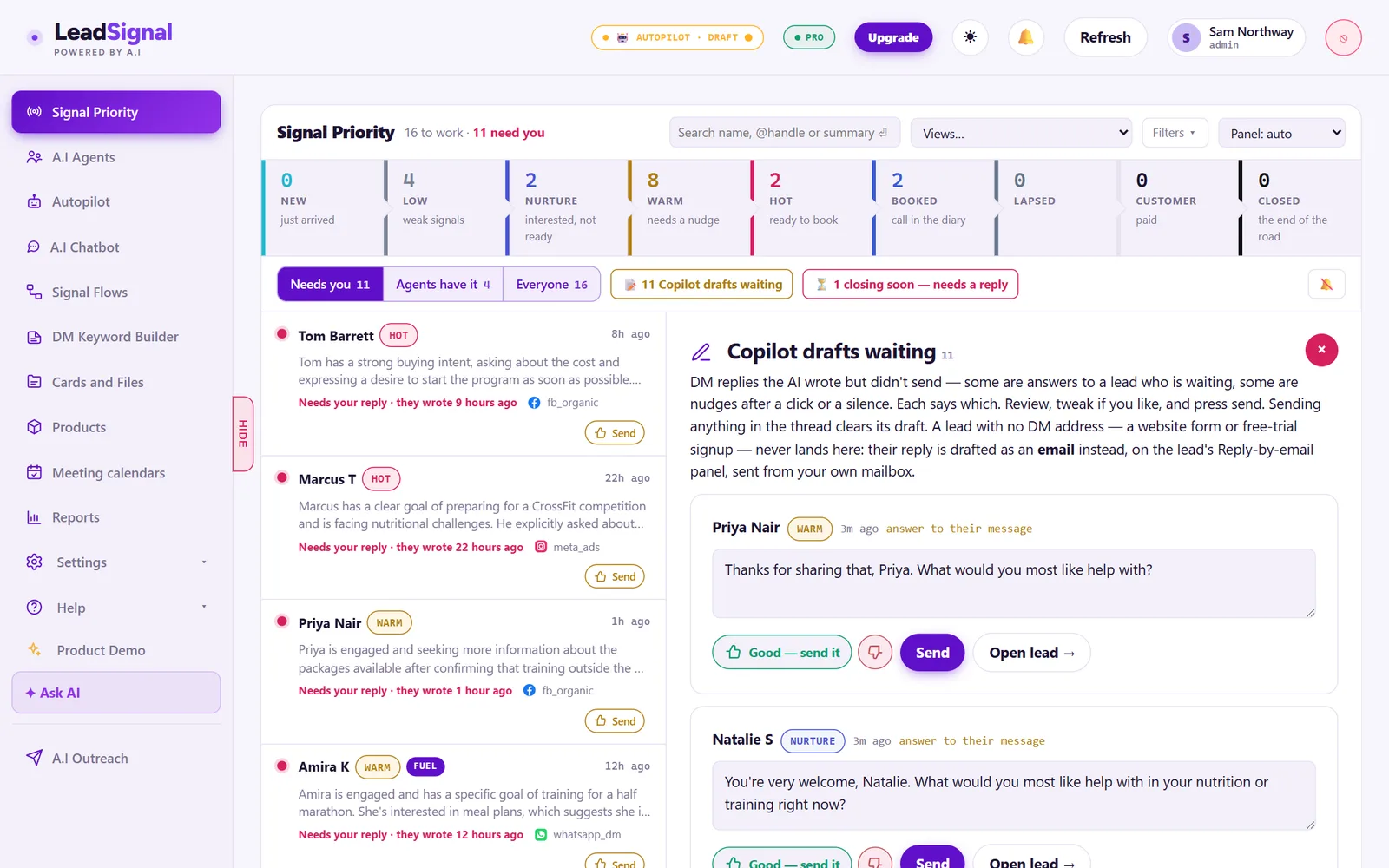
- Use an AI-drafted first reply, reviewed and sent by a human, so a genuine response goes out fast even outside normal hours, rather than waiting for the next working day.
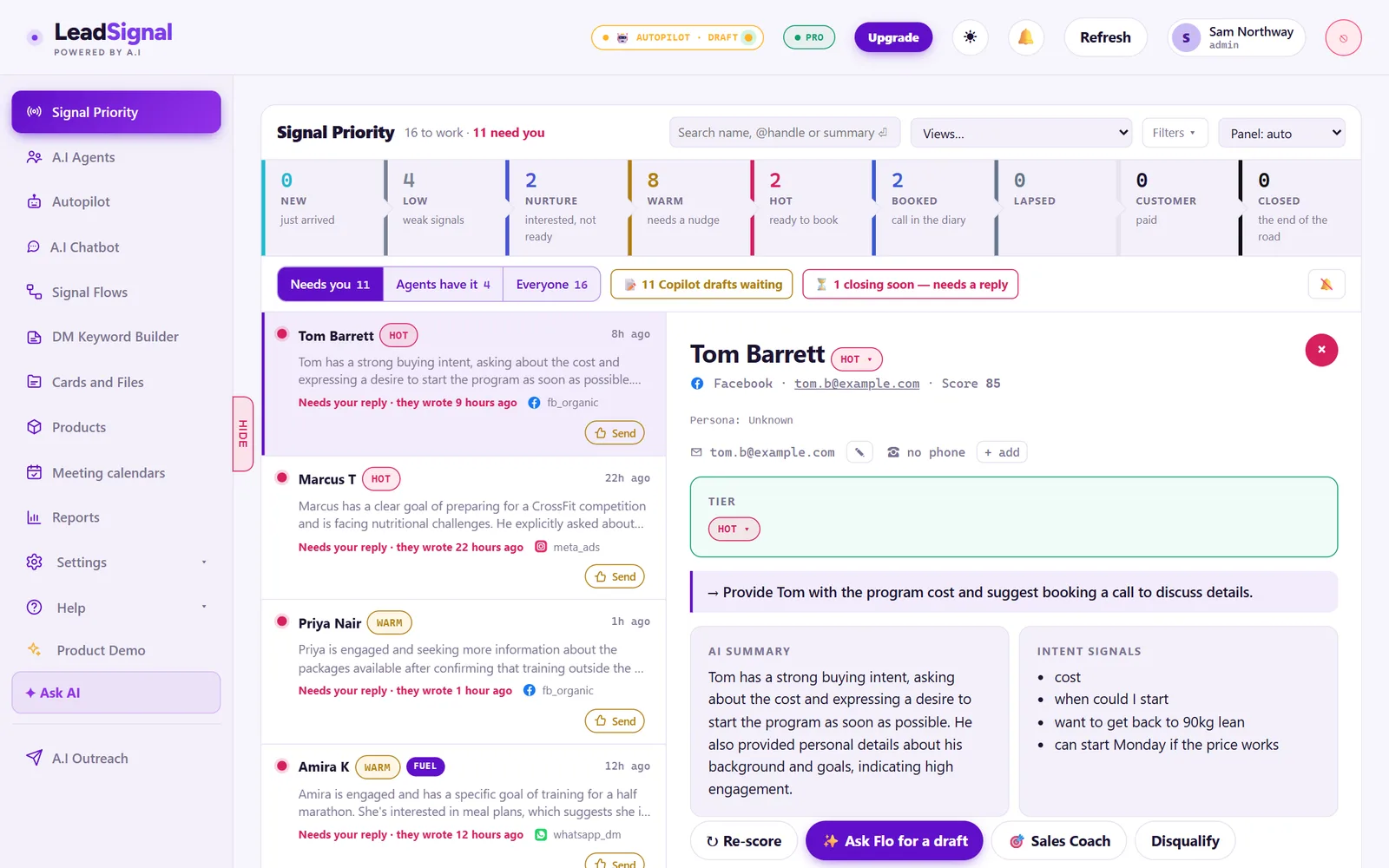
- Score conversations by buying intent so a high-ticket enquiry is never sitting invisibly behind lower-intent messages in the same inbox.
- Build a defined backup for whoever normally handles high-ticket conversations, so a single person's availability is not the deciding factor in whether a lead gets answered.
- Track the full conversation through to a booked call, not just the first reply, so a drop-off at message three is as visible as a slow first reply would have been.
- Set an explicit expectation with yourself or your team about acceptable reply windows outside normal hours, rather than leaving it as an unspoken assumption that evenings and weekends can wait.
The particular risk for solo coaches
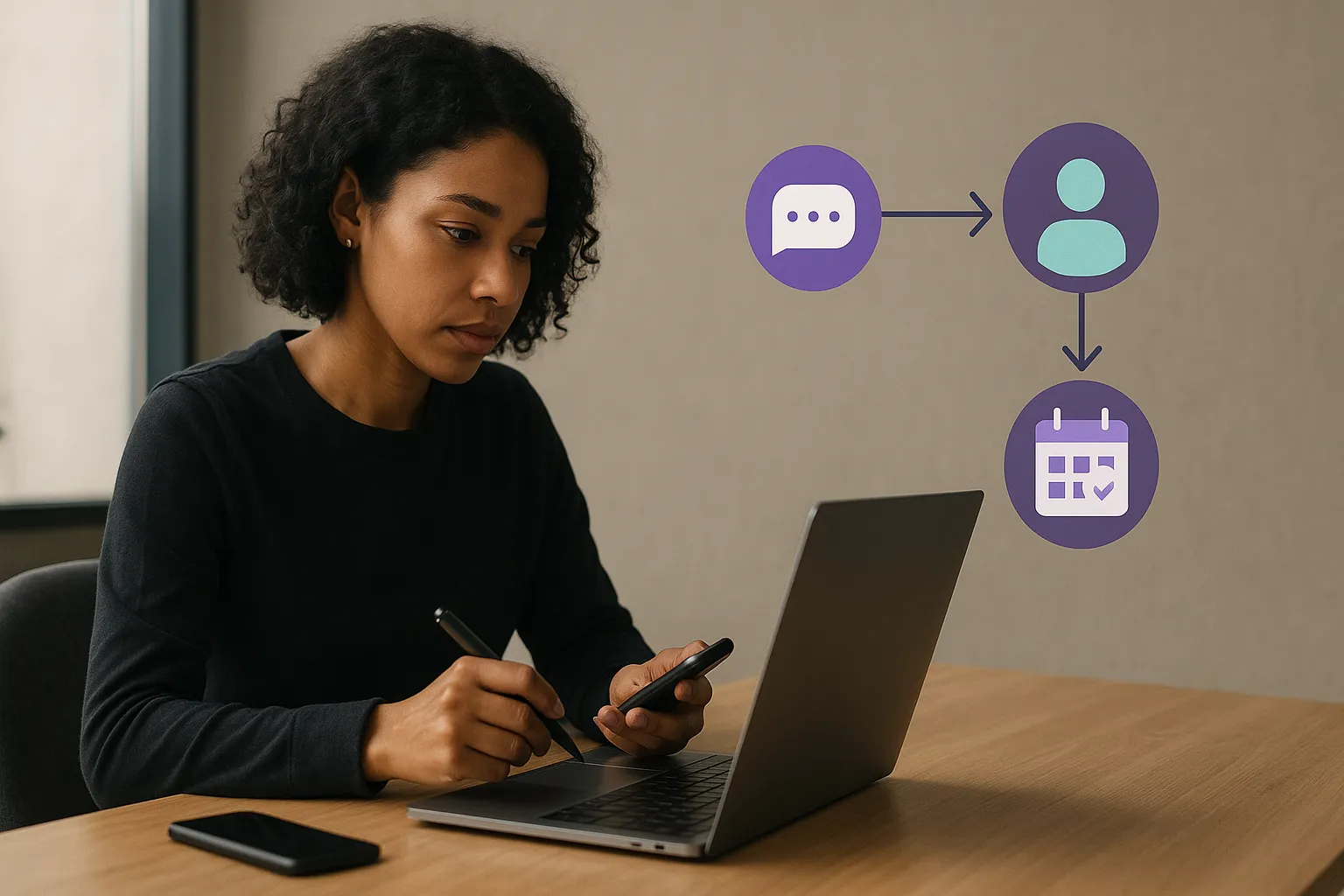
A solo coach handling their own DMs faces a specific version of this problem: there is no backup at all by default. Every high-ticket enquiry depends entirely on when you personally next check your phone, which means your business's most valuable leads are, without you necessarily intending it, gated by your own availability. This is not solved by working more hours, which is not sustainable, but by removing the dependency on being personally available at the exact moment a lead messages, through a fast AI-drafted first response that keeps the conversation alive until you can genuinely engage with it.
Recognising the pattern in your own numbers
If close rates on high-ticket enquiries feel inconsistent month to month despite similar volume and similar quality of leads, response speed is one of the first things worth checking before assuming the problem is pricing, positioning or the offer itself. A quick, honest look back at the last ten high-ticket conversations, specifically how long each one waited for its first reply, often reveals a pattern that a general sense of "we're pretty responsive" would never surface.
It is worth doing this review specifically for the leads that did not convert, rather than only the ones that did. It is easy to remember the fast, smooth conversations that closed and forget the slow, awkward ones that quietly did not, which is exactly why a specific, deliberate look back matters more than relying on general impression.
What this looks like once it is fixed
A high-ticket enquiry gets a fast, genuine first reply regardless of when it arrives or who is available, moves through qualifying questions without losing momentum, and reaches a booking link while the prospect is still in the mindset that made them message in the first place. None of this requires a bigger team, it requires the reply and the follow-up to stop depending entirely on one person's calendar.
This is the same discipline covered from a broader angle in why DM response speed decides who books the call, applied specifically to the leads where a slow reply costs the most.
Balancing speed with the trust a high-ticket sale requires
None of this means rushing a high-ticket prospect towards a decision they are not ready for. Speed applies to the operational side, how quickly a genuine reply reaches them, not to how quickly you push them towards booking a call before they feel ready. A fast first reply that then gives a prospect room to think, rather than pressuring an immediate commitment, protects both the relationship and the eventual close, whereas a fast reply that reads as pushy can do as much damage as a slow one.
FAQ
Why are high-ticket leads more likely to be lost to a slow reply, not less?
High-ticket prospects are usually comparing multiple options and read response speed as a signal of the service they can expect. A delay that would be tolerated for a small purchase can quietly disqualify you from a large one, particularly when they are simultaneously in conversation with someone who did reply promptly.
Does the drop-off only happen at the first reply?
No. A high-ticket sale usually involves several exchanges before a call is booked, so momentum lost at any point in that sequence, not just the first message, can lose the lead.
How can a small team keep response speed high for high-ticket leads without more staff?
By using an AI-drafted first reply with human review to remove the time cost of writing from scratch, scoring conversations so high-intent leads are never buried, and building a defined backup so availability of one person is not the deciding factor. None of this requires additional headcount, only a different structure around the people already doing the work.
The self-serve demo builds a workspace from your real setup — no card, no call.